
How to Choose Resin Flooring for Industrial Sites
Learn how to choose resin flooring for industrial and commercial sites by assessing traffic, chemicals, hygiene, substrate condition, safety, and downtime.
Learn how to choose resin flooring for industrial and commercial sites by assessing traffic, chemicals, hygiene, substrate condition, safety, and downtime.

Proper floor preparation determines how well a resin system bonds, performs, and lasts under heavy traffic, chemicals, cleaning, and daily use onsite.
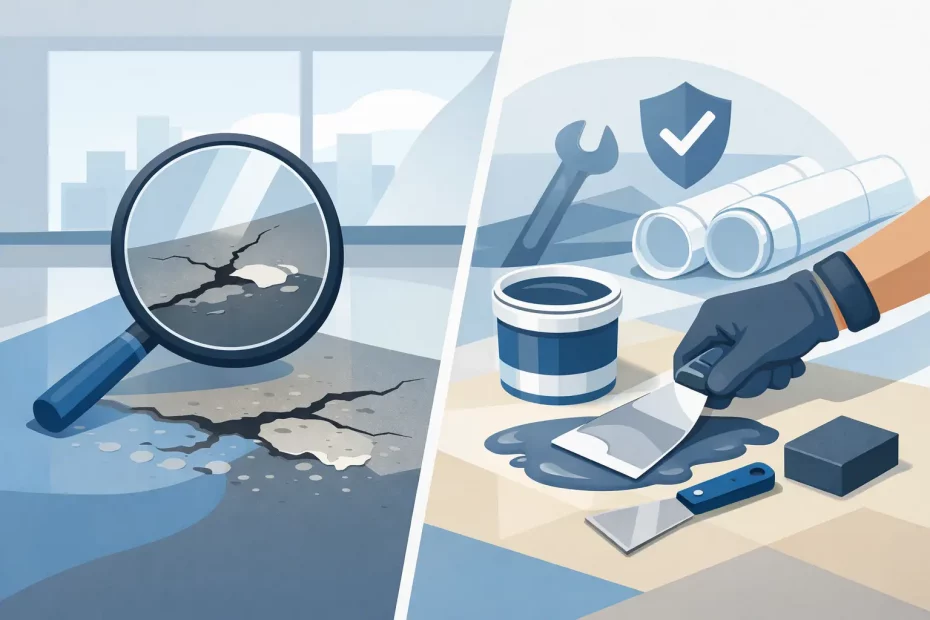
Can resin flooring be repaired? See how specialists diagnose cracks, delamination, and wear and specify durable repair methods for demanding facilities.

Urethane cement flooring for breweries handles heat, moisture, chemicals, and traffic while supporting hygienic, durable production areas every shift.

Choose anti slip flooring for wet areas based on slip risk, drainage, cleaning, traffic, and chemical exposure for safer, durable operations every day.

Resin flooring for pharmaceutical facilities supports cleanable, chemical-resistant, durable production areas with correct specification and installation.

Specify hygienic flooring for food factories that withstands washdowns, thermal shock, impact, and chemicals while supporting safe, efficient production.

Choosing the best flooring for loading bays means matching resin, preparation, and texture to forklift traffic, impacts, cleaning, and weather exposure.
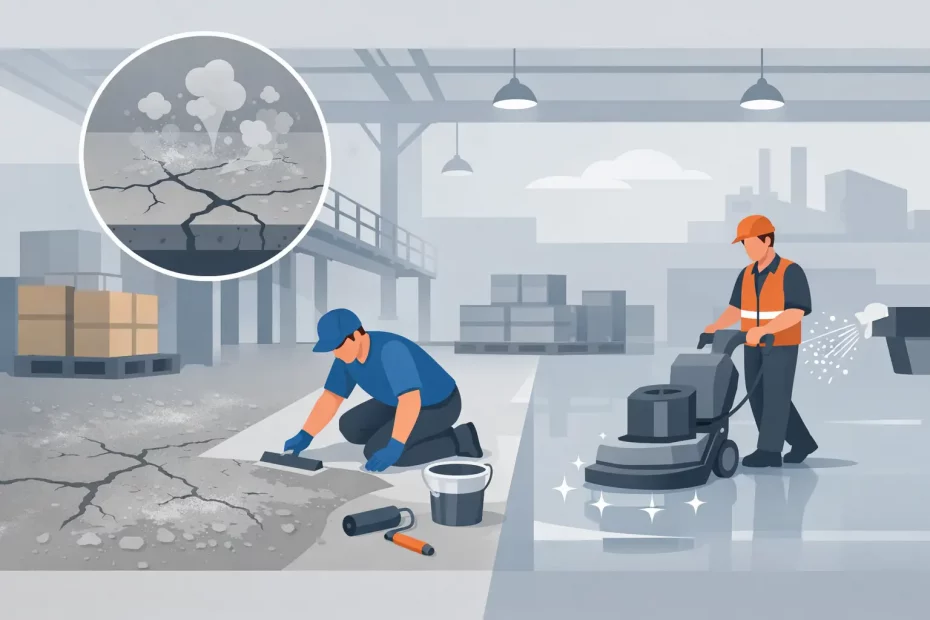
Learn how to stop concrete dusting on industrial floors with site repairs, penetrating hardeners, epoxy coatings, and specification advice for lasting use.
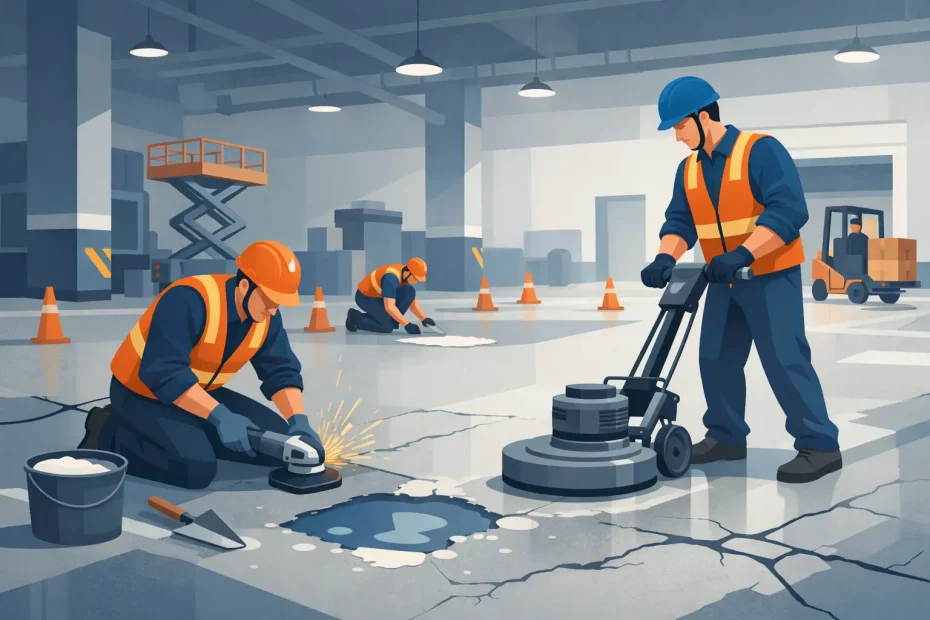
Concrete floor repair restores damaged slabs before coatings fail, helping busy facilities control dust, safety risks, downtime, and maintenance costs