Giving a fresh & tough new finish to a domestic garage floor.
The concrete was quite soft and the existing floor paint was badly flaking. The surface was thoroughly ground and an epoxy resin primer applied. A 6mm seamless, polyurethane screed was…
Some of the vehicle maintenance bays at IAA, Winsford were look tired, covered in grime and slippery to work on. The answer was to mechanically grind the floors and fill…
A warehouse is Oxfordshire was taken over by Nanopore for the storage of medical products such as body plasters and so a dust-free environment was essential. The above image shows…
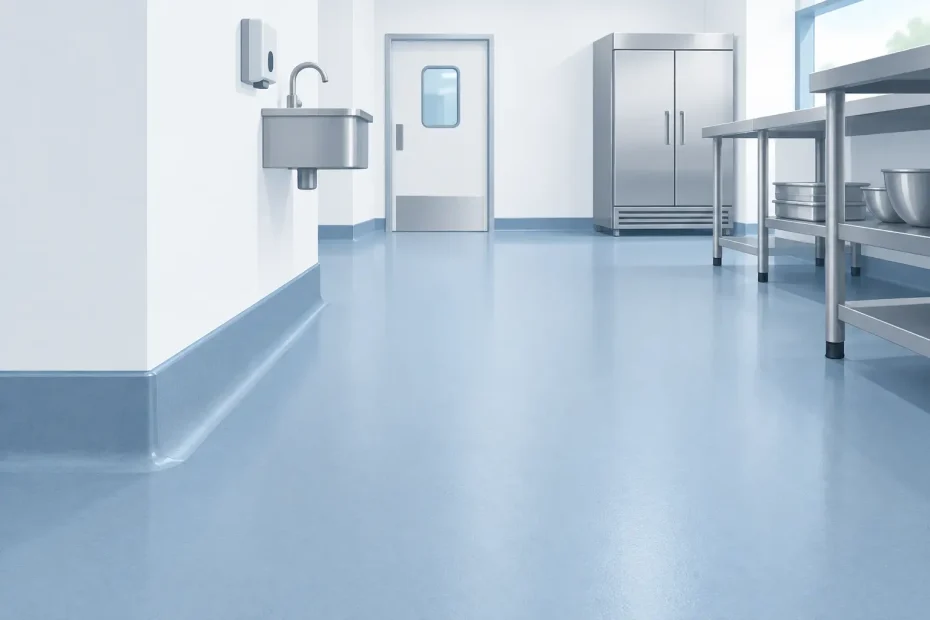
Resin floor coving creates a hygienic, cleanable floor-to-wall transition for food, healthcare, and industrial spaces exposed to daily washdowns and wear.

Resin flooring costs depend on system type, concrete repairs, thickness, and downtime. See what shapes a realistic commercial flooring budget planning.

Commercial floor refurbishment repairs damaged concrete and worn coatings, restoring cleanable, durable surfaces built for demanding operations every day.

Why do coatings fail? Learn how surface preparation, moisture, specification, installation, and service conditions affect industrial floor coating life.

Which floors resist forklift traffic depends on load, turning, and conditions. Compare epoxy, polyurethane screed, and concrete options for busy facilities.

Build a resin floor specification around concrete condition, traffic, chemicals, hygiene, slip resistance, and downtime for reliable, lasting performance.
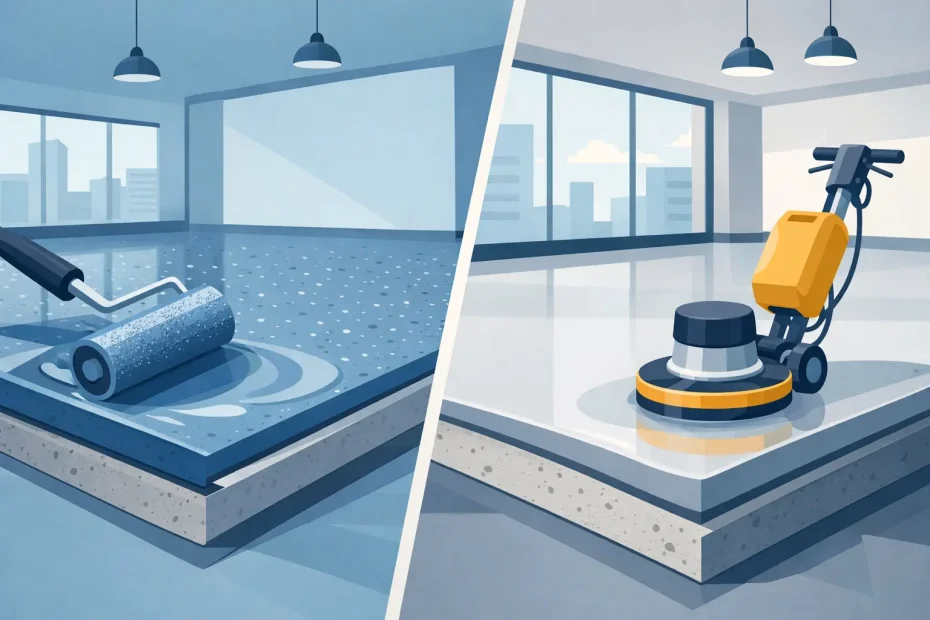
Compare epoxy versus polyurethane flooring for heavy-use facilities. See how chemical resistance, heat, traffic, and installation conditions affect selection